
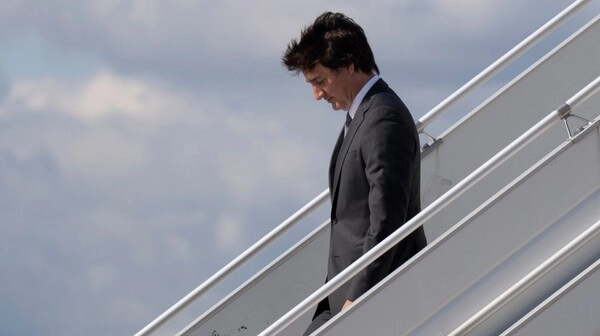
在安大略省苏圣玛丽的阿尔戈马钢铁厂门口,总理特鲁多与工人们握手,提供甜甜圈,并滔滔不绝地讲述自由党政府执政以来的成就。但在场的某一炼钢工却不吃特鲁多的这一套。他拒绝与总理握手,不满之情溢于言表,将满肚子牢骚洒向特鲁多。这一充分暴露被忽视和遗忘的蓝领工人之不满的短短不到一分钟的场景实在太抢眼了,在社交媒体迅速传播。然而,视频对话所揭示的不仅仅是来自某个炼钢工人的抱怨,而是一个更深层的更广泛的社会现象,在越来越多的加国人士眼中,自由党在乎的是加国社会精英和其关系网中的权贵势力,而却对中产阶级经济困境视而不见,将其痛苦挣扎抛在脑后。
At the gates of Algoma Steel in Sault Ste. Marie, Ontario, a prime minister shook hands, offered doughnuts, and rattled off government achievements. But for one steelworker, the pleasantries weren’t enough. He refused the handshake, discontent palpable, and unleashed a torrent of frustration aimed directly at Justin Trudeau. The viral moment, captured on camera, showed the disillusionment of a blue-collar worker who felt unseen and unheard. What this brief encounter revealed, however, was far more than personal grievances—it exposed a deeper, growing sentiment among ordinary Canadians that the Liberal Party favors elites and well-connected individuals over the middle class.
住房危机使自由党政府与加拿大中产阶级之间的脱节进一步加剧,房价飞涨使得许多家庭,尤其是年轻家庭买不起房。尽管政府推出了旨在解决住房负担问题的措施,但这些行动来得太晚,很难遏制房价的迅速飙升。从更广泛的角度看,通货膨胀和生活成本飞涨让普通加拿大人的生活日益步维艰。虽然自由党政府推出了一些救助措施,例如牙科补贴计划,但在许多人看来,这些措施根本不足以应对日益上涨的日常生活支出。
The housing crisis has only deepened the disconnect between the Liberal government and middle-class Canadians, with skyrocketing home prices leaving many, especially young families, unable to afford homes. Although the government has introduced measures to address housing affordability, these efforts came too late to curb the rapid rise in prices. On a broader scale, inflation and the cost-of-living crisis have made life increasingly unaffordable for ordinary Canadians. While the Liberal government has introduced some relief measures, such as dental care programs, these are seen by many as insufficient given the rising costs of everyday necessities.
自由党预算案中提出的关于提高投资房产资本利得税的政策进一步疏远了加国中产阶级。尽管该政策被宣传为针对最富有的0.13%的加拿大人,但许多中产阶级的房产投资者出于保障财务稳定或提供退休保障而拥有小型出租物业,却成为这一税收政策的针对目标。这项政策并非有效打击推高房价的投机性房地产行为,而却是惩罚了那些试图保障财务未来的普通加国人士。
The Liberals’ budget announcement about raising the capital gains tax on investment properties further alienated middle-class Canadians. Although framed as a policy targeting the wealthiest 0.13% of Canadians, many middle-class property investors, who own small rental properties as a means of securing financial stability or retirement, were hit by this tax increase. The policy, rather than focusing on speculative real estate practices that drive housing prices up, penalized everyday Canadians who are trying to secure their financial futures.
自由党政府执政以来似乎更照顾精英人士和企业盟友,而非加国普通老百姓的利益,使加国人士愈发不满。2019年SNC-兰万灵丑闻和2020年WE慈善丑闻就是典型例子。在SNC-兰万灵事件中,特鲁多政府被指控向司法部长施压,以保护该公司免于起诉,引发了其欲偏袒大企业的严重质疑。同样,在WE慈善丑闻中,政府将一项高额合同授予与特鲁多家族有染的WE慈善,进一步加剧了人们对裙带关系的反感。这些事件表明,渥太华政府似乎更着眼于保护强大的利益集团,而不是服务公众。
This sense of disconnection is compounded by a belief that the Liberal government is more interested in serving the interests of elites and corporate allies than ordinary Canadians. Scandals such as SNC-Lavalin in 2019 and WE Charity in 2020 exemplify this concern. In the SNC-Lavalin affair, Trudeau’s administration was accused of pressuring the Attorney General to protect the company from prosecution, raising serious questions about corporate favoritism. Similarly, the WE Charity controversy, in which the government awarded a major contract to an organization with financial ties to the Trudeau family, further fueled perceptions of cronyism. These incidents suggest a government more concerned with protecting powerful interests than with serving the public.
除了这些政治丑闻之外,特鲁多的个人行为进一步表明他加紧与精英权贵密切勾结以谋求私利。他到阿迦汗私人岛屿度假的奢华旅行违反了利益冲突法,凸显了他与富人和权贵的紧密联系。这一丑闻进一步证实特鲁多和自由党越来越脱离普通加拿大人的日常困境,在其建立的关系网中尽享与中产阶级生活现实相去甚远的特权生活。自由党政府的做法使移民社区人士极为不满。在他们的来源国,腐败和裙带关系在高层领导人中盛行,而他们最不希望看到的正是加拿大的领导人步其后尘。
In addition to these controversies, Trudeau’s personal actions have further fueled the perception that he is closely aligned with the elite. His luxury vacation to the Aga Khan’s private island, which was found to violate conflict-of-interest laws, underscored his close ties to the wealthy and powerful. This extravagant trip amplified the argument that Trudeau and the Liberal Party are increasingly disconnected from the everyday struggles of ordinary Canadians, benefiting from privileges far removed from the realities faced by the middle class. This has especially disillusioned immigrant communities, where corruption and favoritism among top leaders are all too common, deepening their disappointment in Canadian leadership.
炼钢工人拒绝与特鲁多握手事件揭示了一个更深层次的问题:自由党与普通加拿大人之间的高度脱节,他们对精英阶层的阿伊奉承而忽视了中产阶级的困境。随着经济挑战的加剧和丑闻的持续发酵,许多加国人士感到被所自己选出的政府所抛弃了。这种日益增长的不满使自由党很大可能在提前到来的下一次选举中遭遇滑铁卢。
The steelworker’s refusal to shake Trudeau’s hand highlights a deeper issue: the Liberal Party’s perceived disconnect from ordinary Canadians, favoring elites while neglecting the struggles of the middle class. With economic challenges mounting and scandals lingering, many Canadians feel abandoned by a government that appears more focused on the wealthy. This growing frustration has left the Liberals facing a potential devastating defeat in the upcoming election, which could come much earlier than expected.
