




















乐活荐读:大家来查漏补缺一下基本的艺术常识。
如果一个外星人首次拜访地球,那么他很难区分画廊与博物馆。因为在画廊和博物馆里面,陈列的都是油画与雕塑。
An extraterrestrial visiting earth for the first time would have difficulty telling galleries and museums apart. Both are buildings with paintings and sculpture inside.
外星人能够看出画廊和博物馆的差别吗?Would E.T. see the difference between art galleries and museums?

对一个拜访地球的外星人来说,两者看似相同,其实却相差甚远。差别并不在于建筑物规模的大小,也不是看资助者是谁,或是使用的资金属于公共的还是私人的。
To a visiting extraterrestrial the two might look the same, but they are actually very different. The difference is not in the size of the building. Nor is the difference who funds it, whether the funding is public or private.
它们的差别在于: The differences are:
博物馆有永久收藏品,而画廊并非如此。 A museum has a permanent collection while a gallery does not.
画廊是出售艺术品的地方,而博物馆并非如此。A gallery sells work while a museum does not.
博物馆传播的是文化影响性,而画廊里传播的是艺术品。A museum distributes cultural significance while a gallery distributes objects.
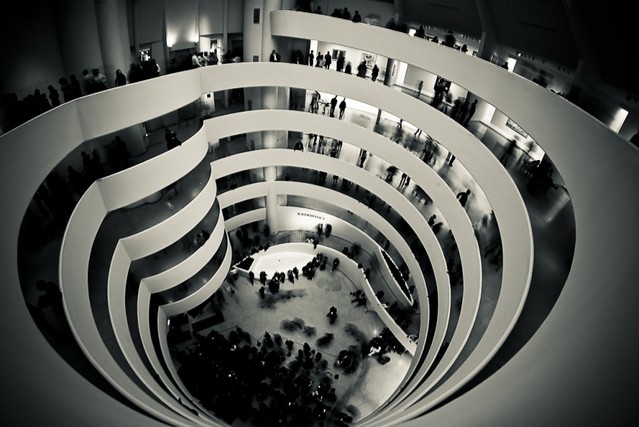
博物馆所发挥的是文化影响性。像纽约现代艺术博物馆和古根海姆博物馆,均 属博物馆之列。两者都是私营,但非营利。这两家博物馆举办展览,会吸引大批参观者,受到各类媒体报道。
Most importantly, a museum acts as a repository of cultural significance. For example, MOMA and Guggenheim are museums. Both are private, but not for profit. They put on shows and these shows are widely attended and reported.
2013年,法国巴黎的卢浮宫成为游客量最高的博物馆,多达970万。位居第二的是纽约大都会博会馆,总计610万。The Louvre in Paris, France was the world’s most visited art museum in 2013 with 9.7M visitors. The Met (Metropolitan Museum of Art) in NYC was second with 6.1M visitors.
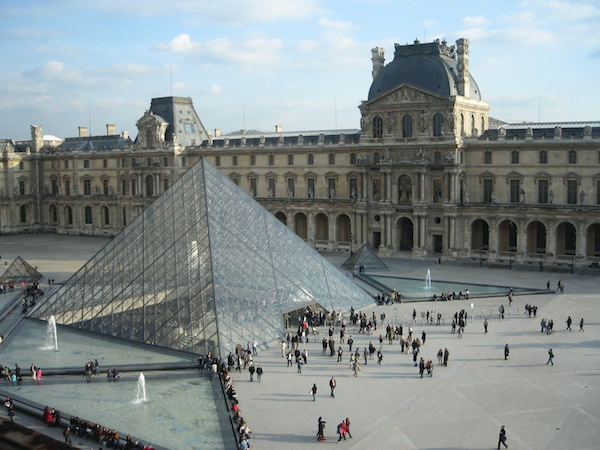
通过创造文化影响力,博物馆是艺术作品市场价值的锚,就像政权是法定货币价值的锚。博物馆创造文化影响性,而这种价值又反向流回,使相关的艺术品身价上升。
Through the creation of cultural significance, the museum provides a kind of anchor to the market value of art works, much in the way that political power provides an anchor to a fiat currency’s value. The museum creates cultural significance and this value propagates backwards to related objects.
艺术品之间如何相互联系?很多方法能使艺术品产生联系,并因此提升价值。 一个艺术家、一个艺术家群体、一个时期、一种风格、甚至是一位收藏家,都可以成为联系艺术品的纽带。
How are objects related? There can be multiple ways for linking objects and propagating value backwards. The link can be the artist, a group of artists, a period or a style, even a collector.
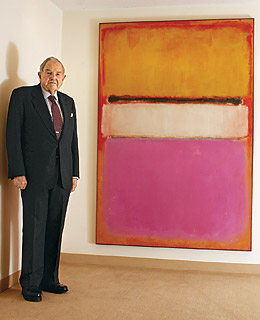
著名收藏家的推荐可提升一幅艺术作品的威望和价值。大卫·洛克菲勒和马克·罗斯科的《玫瑰红上的黄色、粉红及淡紫》。2007年照片。Being held by a well-known collector can increase the prestige and value of an art work. David Rockefeller with Rothko’s Untitled (Yellow, Pink, and Lavender on Rose). Photo 2007.
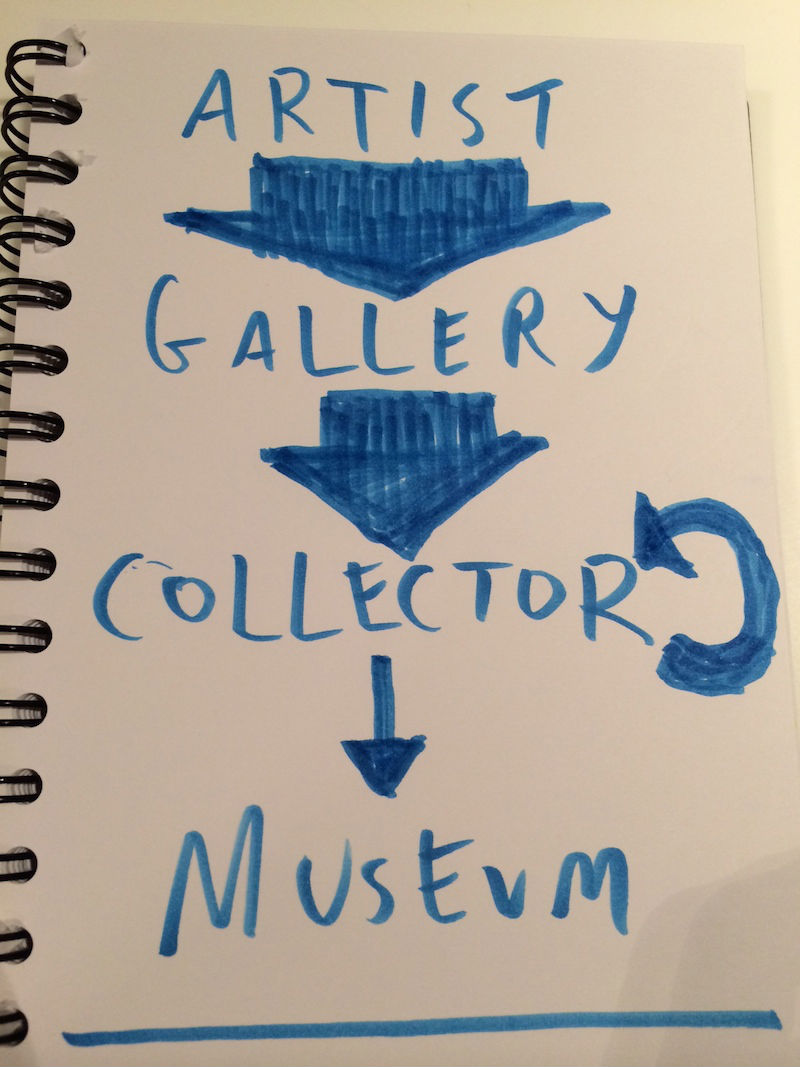
博物馆发挥它的文化影响性,最后让艺术品的价值得到提升,而艺术品自身却沿着相反方向流动——从艺术家的手中流向博物馆。简单来说,这个流程是这样的:艺术品离开艺术家,进入画廊,再转到收藏家手中,最后收入博物馆。不过,有时候,艺术品在几个收藏者之间转来转去。
While cultural significance propagates backwards from museums, the objects themselves move in the other direction — from the artists to the museums. This flow can be shown simply like this: from artist to gallery to collector to museum, and sometimes from collector to collector
最终进入博物馆的艺术品将不再流动。一般情况下,艺术品不会流出博物馆。
The works that end up in a museum don’t move. Generally, they stay there.
事实上,对博物馆来说,想出售艺术品绝非易事。美国大部分博物馆属于私人博物馆,相关规章制度经常会明确规定:艺术品只有在某些特殊情况下才能出售。如何使用出售所得也被加以限制。通常情况下,这些钱必须用于购买其他艺术收藏品,或用于维护现有的收藏品。
In fact, it can be difficult for a museum to sell work. In the US most art museums are private and their charters often specify that works can only be sold under certain special conditions. There are even limits on what can be done with the proceeds of any sale. Typically they must be used to buy other works for the collection or for maintenance of the collection.
艺术品离开艺术家后,每经过一次流动,它们的数量就会减少。究竟有多少件艺术家创作的艺术品被画廊售出?其中有多少件艺术品被收藏家购买?又有多少件艺术品最终成为博物馆的收藏品?要回答这个问题,显然要先确立好艺术家、画廊以及博物馆的定义。不过,在任何合理的定义中,艺术品每流动一次,其数量都会减少。
As the art moves from artist to with each step there is less and less volume of work. How much art made by artists is actually distributed through a gallery? How much of that is purchased by a collector? Then how much of that finally ends up in a museum? This of course depends on our definitions of artist, gallery, collector, and museum. Under any reasonable definition the vast majority of the work is filtered out at each step.
艺术家创作的作品是汪洋大海,相比之下,博物馆的收藏品只是一滴雨而已。
The stuff produced by artists is like an ocean of work compared to the raindrop of work held by museums.
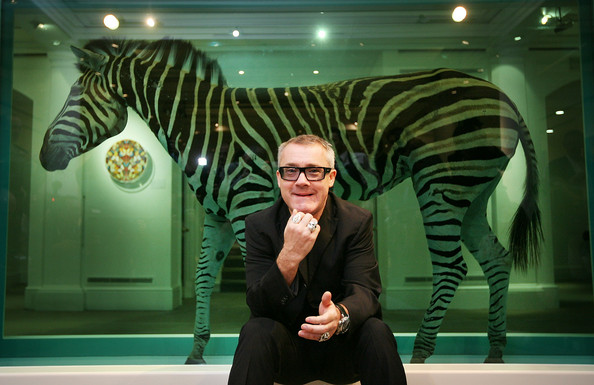
2008年9月8日,在伦敦举办的苏富比《我脑海里永远的美丽》拍卖中,艺术家达米恩·赫斯特坐在被甲醛溶剂密封的斑马前面,这是他的作品《不可思议的旅程》。Artist Damien Hirst sits in front of his piece ‘The Incredible Journey’ featuring a zebra in formaldehyde at Sotheby’s auction ‘Beautiful Inside My Head Forever’ on September 8, 2008 in London.
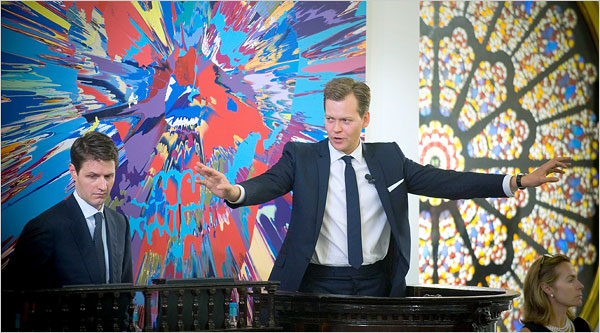
当然上述流程也有例外。例如,在2008年9月,达明·赫斯特就绕开画廊,通过苏富比拍卖行,把作品直接拍卖给收藏家。这样做的好处是避免了画廊从中抽取利润。赫斯特的拍卖会非常成功,为他带来1.98亿美元。但只有那些最受推崇的艺术家大牛才能这样做,并且,这样做有可能得罪画廊。一般的流程还是如上述所说的那样。
Of course, there are exceptions to the flow of work described above. For example, in September 2008 Damien Hirst bypassed the galleries and auctioned directly to collectors through Sotheby’s. The advantage for this was that the galleries didn’t take a cut off the profit. Hirst’s auction was a huge success bringing in $US 198 million for the artist. Only the most established and powerful artists would be able to do something like this, and they would do it at the risk of damaging their gallery relationships. In general, the pattern above holds.
2008年,伦敦苏富比为赫斯特办的拍卖会。头号拍卖人中标。Hirst’s 2008 Sotheby’s auction in London. The head auctioneer calling for bids.
为什么会存在画廊?它们的价值是什么? Why do galleries exist and what value do they add?
画廊的全部价值取决于它与收藏家以及艺术家之间的关系。它是两者的中间人。达明·赫斯特对自己显赫的名声和地位做出正确的判断,所以他能绕过画廊,把作品直接卖给收藏家。但大多数艺术家不能这样做,他们需要画廊来联系收藏家。
The entire value of the gallery rests on its relationships with both collectors and artists. It acts as a middle-man between the two. Damien Hirst correctly identified that he was famous and established enough that he could cut out the galleries and sell directly to collectors. Most artists can’t do that. They need the gallery for its relationship with collectors.
这给了我们另一种方法来观察画廊和博物馆的不同之处:
This brings us to another way of looking at the difference between the gallery and the museum:
画廊的价值=它与艺术家和收藏家的关系, Value of a gallery = its relationships with artists and collector
博物馆的价值=它的收藏品和社会知名度, Value of a museum = its collection plus its reputation in society
收藏家为什么捐献或出售作品给博物馆?/ Why do collectors give or sell work to museums?
上面我们讨论了艺术作品在机制内流传的路径。对前两步的理解是很明显的,收藏家支付画廊,而画廊支付艺术家,但最后一步是如何进行的?
Above we described the flow of art works through the system. Understanding the first two steps is obvious, collectors pay the gallery and the gallery pays the artists, but how does the last stage work?
艺术家通过画廊向收藏家出售作品,可是为什么还有最后一步?为何收藏家会把艺术品交给博物馆?诚然,他们有时或直接出售,或通过拍卖,将艺术品交给博物馆,但通常情况下,他们直接捐献给博物馆。将如此珍贵的东西拱手相让,似为不理智之举,除去一些收藏家出于保存遗产的考虑外,其中也还有一个重要的原因。捐献行为可以抬高收藏家的声誉,也能提高他所收藏的其他艺术品的价值。博物馆所赋予的文化影响性是艺术圈里珍贵的东西。
Artists sell through galleries for the collector connections, but why the later steps? Why would a collector give work to a museum? A collector may sell to a museum either directly or via auction, but often they will just donate the work. It seems irrational to give these valuable objects away. Some collectors may give to establish their legacies, but there is another important reason too. Gifting can boost the prestige of a collector and thereby boost the value of his other works. The museum confers cultural significance and in the art world that’s valuable.
许多艺术圈里的交易如果放在别处,是不合法规的。例如,一位影响力巨大的收藏家可能也是一家博物馆的董事会成员。所以,他可以决定博物馆购买什么艺术品,以及博物馆的展览安排。但利益之间会发生冲突。他可能会安排博物馆去展览他收藏的艺术家的作品,以此抬高这位艺术家的地位及其作品的价值。在民营企业中,这样的行为会被认为是腐败或是内幕交易。但在艺术圈里,这就是现状。并没有真正有效的管理机构。
Many art world transactions would be illegal elsewhere. For example, an influential collector might serve on the board of a museum. In that role, he decides what a museum purchases and it’s show schedule. However, there can be conflict of interest. He may direct the museum to show an artist he collects thereby using his position on the board to boost the value of his own work. In the world of private industry this would be considered a form of corruption or insider trading. In the art world, it’s just kind of status quo. There’s no real regulatory body with teeth.
当然,很多收藏家,也许大部份都为了我们期望的原因捐出收藏。他们只是一些好心人,想与其他人分享他们对艺术的热爱和帮助制造一个充满活力的文化氛围。
Of course, many collectors, probably the vast majority donate to museums for the reasons we would hope. They are well-meaning people that just want to share their love of art with others and help build a vibrant cultural scene.
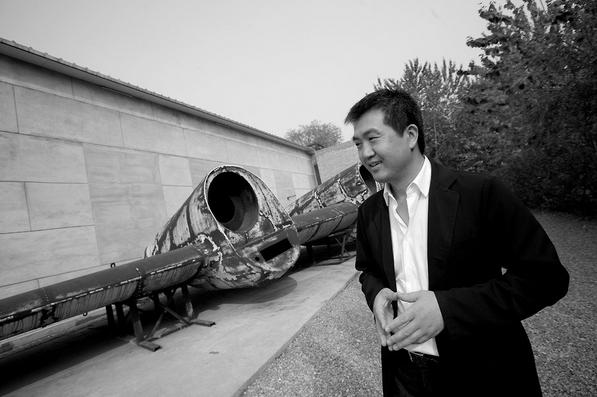
2014年年初,香港M+艺术博物馆宣布接受来自收藏家管艺的37幅重要中国当代艺术作品。In early 2014, Hong Kong’s M+ art museum announced a donation of 37 important works of Chinese contemporary art from the collector Guan Yi.
艺术品价格的真实性 / Are art prices quoted publicly real?
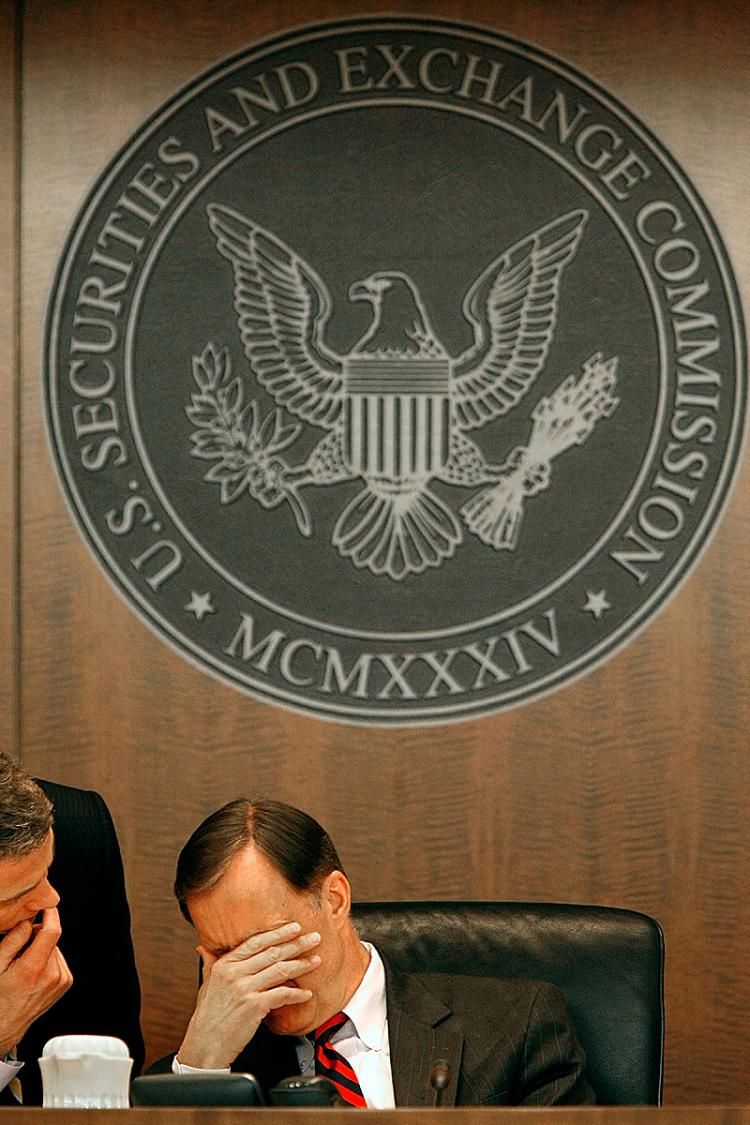
艺术品交易价格也会被人操纵。例如,一位收藏家向一家他所控制的画廊或博物馆出售艺术品。如果他手中握有大部分股权,那么,这笔交易其实就是自己买自己的东西,把自己的钱转来转去,因此误导了大众。不好的是,人们根据所看到的虚假价格,规划着自己的生活,比如,让孩子就读艺术院校。但现实是不幸的,要让孩子成为作品价值连城的世界顶级艺术家,其概率小于成为NBA或NHL明星运动员的概率。艺术品价格可能是虚假的,但却没有专门的管制机构。由于艺术圈是全球性的,不能归属到任何一个区域的管辖,所以这样的机构以后也很难成立。
Unfortunately, art transaction prices can also be manufactured. For example, a collector sells to a gallery or museum he controls. If he has a major equity stake in the gallery it’s really just him buying his own work, shifting his own money around and manufacturing misleading public information. The sad thing is when people see these fake prices and base life decisions on them, like sending their child to art school. Unfortunately, the chances of a child becoming a world-class artist selling works at multi-million dollar prices is less than their chance to become an NBA or NHL star. Art prices can be fake. There’s no real regulatory body tasked with fixing them. It’s unlikely one will develop because the art world is globalized beyond any one jurisdiction.
2008年12月17日,美国证监会前任主席考克斯在华盛顿举行公开会议。证监会的一大职责便是确保公共市场的价格不受操作。艺术世界里缺乏类似的机构,在未来也不确定能否建立,因为艺术市场极为分散且跨越多国。U.S. Securities and Exchange Commission (SEC) Chairman Christopher Cox presides over an open meeting of the commission December 17, 2008 in Washington, DC. One of the important roles of the SEC is to make sure that prices on public markets are not manipulated. No such agency exists for the art world and it’s unclear if one could be developed because the art market is both decentralized and spans many countries.
我希望,这篇文章能够说清博物馆和画廊的一些区别,以及艺术品在艺术圈里流转的大概过程。
I hope this article shed a little light on how museums and galleries differ and in general how objects flow around the art world.
注:作者:石涛,翻译:张璐瑶。2014年04月
本文发布于: 2014-4-30 21:03