
The Canadian Traditional Chinese Medicine Development Alliance (CTCMDA) held a Press Briefing on TCM & Acupuncture Development at the Canton Chamber of Commerce venue in Richmond on October 13, 2026, addressing regulatory and development challenges facing the TCM and acupuncture profession in BC. Taking place during the critical lead up to the BC provincial election on October 24, this briefing serves as a neutral, solution focused dialogue platform, bringing party candidates into direct conversation with TCM practitioners and community representatives. The event addresses concerns raised by practitioners and voters, including improvements to TCM legislation, reinstatement of Chinese herbal prescribing within restricted activities, and protection of professional rights for regulated TCM practitioners. TCM and acupuncture practitioners and community stakeholders call on all political parties to clearly state their positions on TCM regulation and public health protection, and commit to implementing policies supportive of the long term sustainable development of TCM and acupuncture if elected.
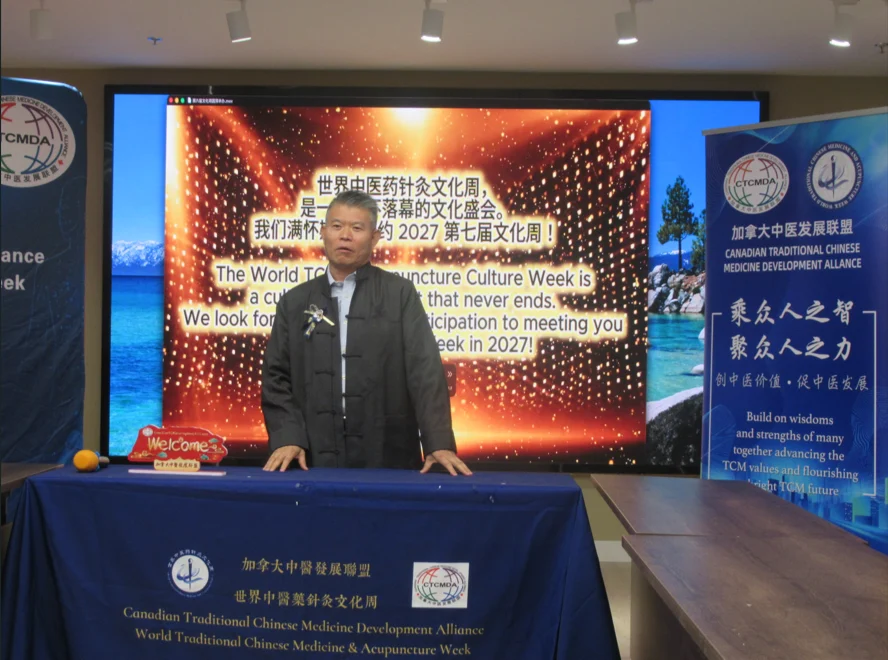
The key policy demands presented at this press conference stem from an open letter issued by the CTCMDA on October 2, 2026.
The letter highlights that two years have passed since the former College of Traditional Chinese Medicine Practitioners and Acupuncturists of British Columbia (CTCMA) was amalgamated into the College of Complementary Health Professionals of British Columbia (CCHPBC) in 2024. However, the actual outcomes of the regulatory reforms have fallen short of the government’s original commitments.
Feedback from the profession indicates that Traditional Chinese Medicine (TCM) and acupuncture are being progressively marginalized within the regulatory framework, while the distinctive professional characteristics and disciplinary foundations of TCM continue to be weakened through regulatory revisions.
Of particular concern is a significant public safety risk arising from the removal of Chinese herbal prescribing, compounding, and dispensing from the list of legally designated restricted activities. As a result, individuals without recognized professional qualifications may legally provide Chinese herbal prescribing and dispensing services, undermining the regulatory safeguards previously established to protect the public.
In its open letter, CTCMDA outlined three key policy demands:
First, preserve the established and effective TCM regulatory provisions that existed prior to the amalgamation under the framework of the Health Professions and Occupations Act (HPOA). Reinstate the prescribing, compounding, and dispensing of Chinese herbal medicine based on TCM diagnosis as legally designated restricted activities, reserved exclusively for duly registered and licensed TCM practitioners.
Second, ensure that the CCHPBC fully fulfills its regulatory responsibilities. Establish a TCM Professional Advisory Committee with meaningful influence on regulatory decision-making, bringing together practising clinicians, educational experts, and community representatives to participate in the development of professional standards. In addition, conduct a comprehensive, profession-specific review of the first two years following the regulatory college amalgamation and publish a dedicated report detailing its findings and recommendations.
Third, call upon all political parties to listen seriously to the concerns and recommendations of TCM practitioners and community voters. During the provincial election campaign, political parties are urged to make clear and substantive policy commitments regarding the regulation and future development of TCM and acupuncture in British Columbia.
At the press conference, Ms. Anne Kang, former Minister of Tourism, Arts, Culture and Sport of BC and former MLA for Burnaby Centre, led a delegation of BC NDP candidates in addressing the audience. Ms. Teresa Wat, former MLA of BC and BC Conservative candidate for Richmond–Bridgeport, also took the stage, leading a delegation of nine fellow BC Conservative candidates from across Metro Vancouver to deliver their remarks.
Anne Kang has long been dedicated to multiculturalism and community public service and has been a steadfast supporter of the development of TCM in BC.
She highlighted her longstanding efforts and achievements in advancing the establishment of the Bachelor of TCM program at Kwantlen Polytechnic University, securing funding to support candidates taking the Chinese-language professional licensing examinations, and advocating for the inclusion of acupuncture treatments under ICBC insurance coverage.
Kang expressed concern about the public safety risks associated with the deregulation of Chinese herbal medicine under recent regulatory reforms. She emphasized the urgent need to establish a TCM Expert Advisory Panel within the regulatory framework to provide specialized expertise in policy discussions and decision-making, stressing that frontline TCM professionals must be directly involved in developing and implementing regulatory policies.
She reaffirmed her commitment to remaining a strong ally of the TCM community and continuing to advocate for legislative reforms to ensure that Chinese herbal medicine diagnosis and treatment are performed exclusively by qualified professionals, while advancing the integration of TCM into British Columbia’s healthcare system.
Former BC MLA and BC Conservative candidate for Richmond–Bridgeport, Teresa Wat, led a delegation of nine BC Conservative candidates from across Metro Vancouver in delivering their remarks at the press conference.
As someone who has personally benefited from TCM herbal remedy and acupuncture, Wat has long been a strong advocate for the profession, particularly on critical issues such as the regulation of Chinese herbal prescribing.
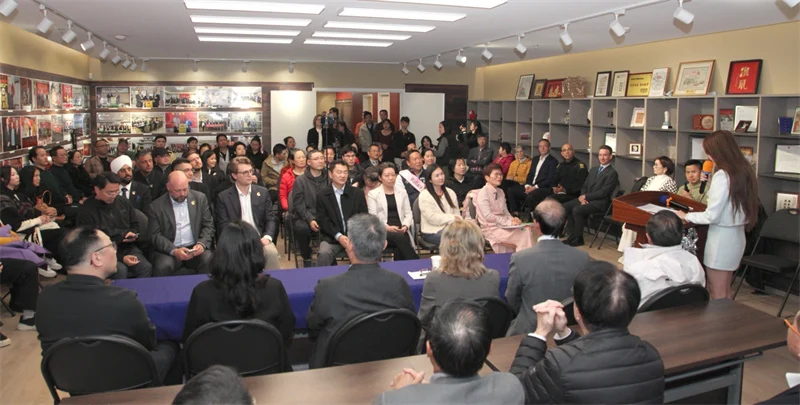
Speaking on behalf of the BC Conservative team, Wat expressed strong concerns about the newly introduced Health Professions and Occupations Act (HPOA), arguing that the amalgamation of healthcare regulatory colleges has resulted in regulatory inefficiencies. She stated that progress on TCM and acupuncture policies has not only stalled but has, in certain areas—particularly Chinese herbal medicine regulation—actually regressed.
Wat emphasized that all 92 BC Conservative candidates unanimously oppose the removal of Chinese herbal prescribing, compounding, and dispensing from the list of legally designated restricted activities, warning that such changes would directly jeopardize the medication safety of British Columbians.
She called upon candidates from all political parties to publicly clarify their policy positions on TCM and acupuncture, work collectively to uphold the professional integrity and dignity of the TCM profession, and safeguard the health and safety of patients across the province.
The press conference opened with remarks from the Phoenix Satellite TV host Susu, followed by an introduction to the event in French by TCM Practitioner Vienna Chan.
Dr. Ronggang Li, President of CTCMDA and founder of the Tianyi Acupuncture AI Intelligent Platform, delivered the opening address. He emphasized that the advancement of TCM and acupuncture depends on the support of political parties and broader society, expressing hope that candidates from across the political spectrum would work together to promote the development of the profession.
Dr. Li reaffirmed CTCMDA’s non-partisan position, stressing that it does not endorse any political party in advance. Instead, CTCMDA supports candidates and political parties that demonstrate a genuine commitment to advancing TCM and acupuncture through substantive, favourable policies and concrete actions.
The opening remarks were followed by speeches from representatives of various community organizations and professional sectors.
Xiaoyue Zhuang, Executive President of Canton Chamber of Commerce, encouraged Chinese Canadians to actively exercise their voting rights, ensure that the voices of the Chinese Canadian community are heard, and participate in shaping the future of British Columbia.
Hua Niu, President of the Canadian Community Service Association, stated that the community looks forward to stronger and more comprehensive regulatory policies that support the development of TCM and acupuncture while safeguarding public health and safety.
The Press Conference on the Development of Traditional Chinese Medicine and Acupuncture concluded successfully in an atmosphere of mutual respect, constructive dialogue, and cooperation.
Candidates from the participating political parties expressed their recognition of the longstanding historical contributions of TCM and acupuncture in serving communities across British Columbia. They emphasized that patient safety, professional competence, and public trust must remain at the heart of all policy decisions.
The Canadian Traditional Chinese Medicine Development Alliance (CTCMDA) looks forward to seeing candidates from all political parties take the concerns and recommendations of the community seriously and translate the commitments expressed at the press conference into measurable election pledges and concrete actions.
Through mutual respect, we can build consensus; through professional expertise, we can advance regulatory reform; and through meaningful action, we can safeguard the health and well-being of all British Columbians!
