Fry’s Vancouver:No More Zero-Tax Budgets and a Housing Plan Awaiting on Victoria
2026-10-27 |作者:Audrey Sung | 来源:Lahoo Media

Loading...
2026-10-27 |作者:Audrey Sung | 来源:Lahoo Media
Leader of the Green Party Pete Fry has officially been elected as Vancouver’s next mayor.According to official results declared by the City’s Chief Election Officer on October 21,2026,Fry totaled 98,748 votes to incumbent Ken Sim’s 67,598.Voter turnout was 43.4%,an increase from 36.3%in 2022.
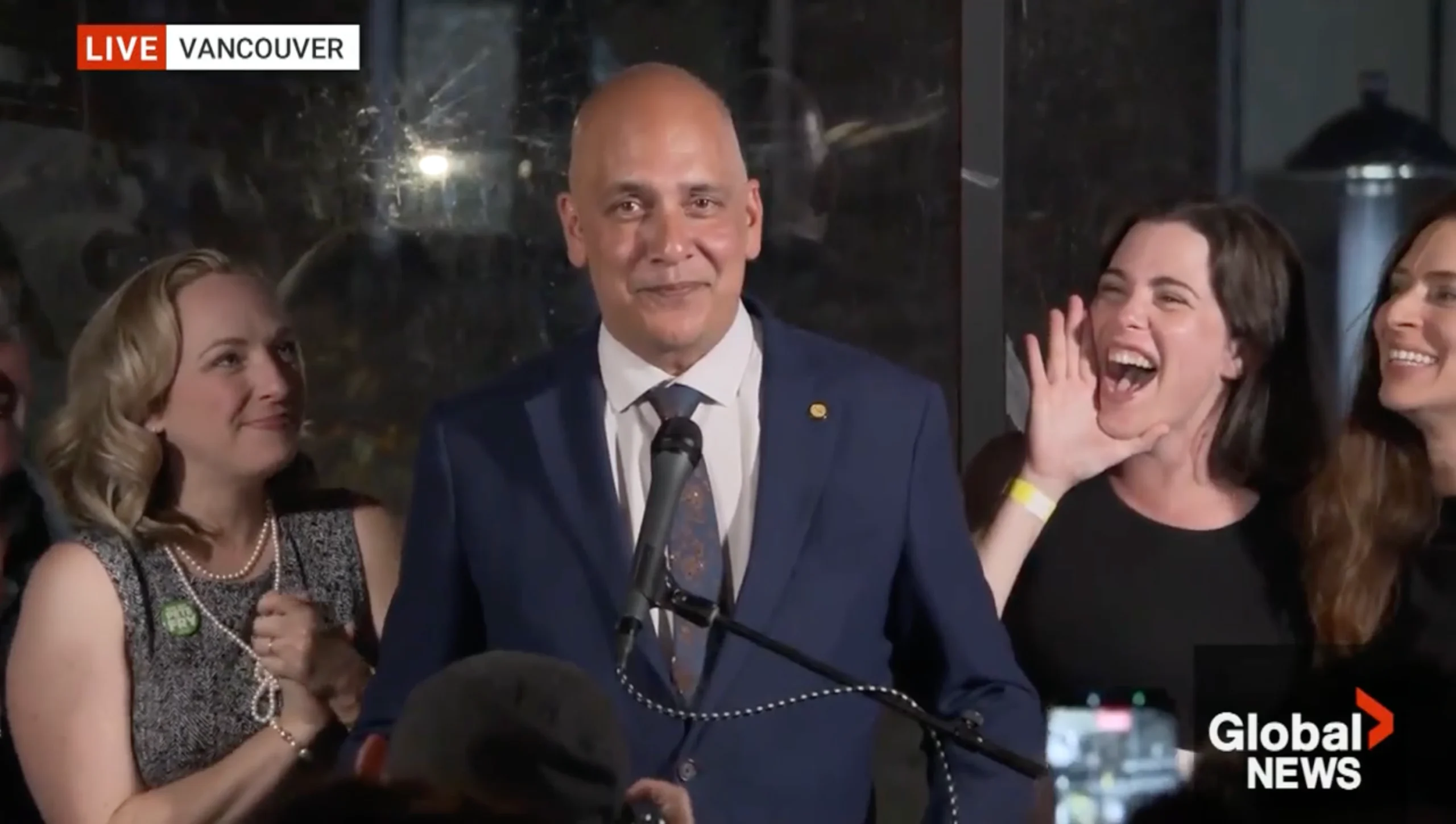
Though no party had a council majority,the 10 council seats—excluding the mayor’s chair—are split as listed:the Green Party four,the Coalition of Progressive Electors four,OneCity Vancouver one,and ABC Vancouver one.ABC’s only seat,Mike Klassen,finished tenth,just two votes behind the Green Party’s Bridget Burns in the official count.In total,the three left-leaning parties hold 9 of 10 seats.Voters also notably approved of the$790 million in borrowing for the City’s 2027–2030 capital plan,and backed both questions in ABC’s non-binding public safety plebiscite by roughly 68%.The new council is dated to take an oath for their jobs on November 2,2026.
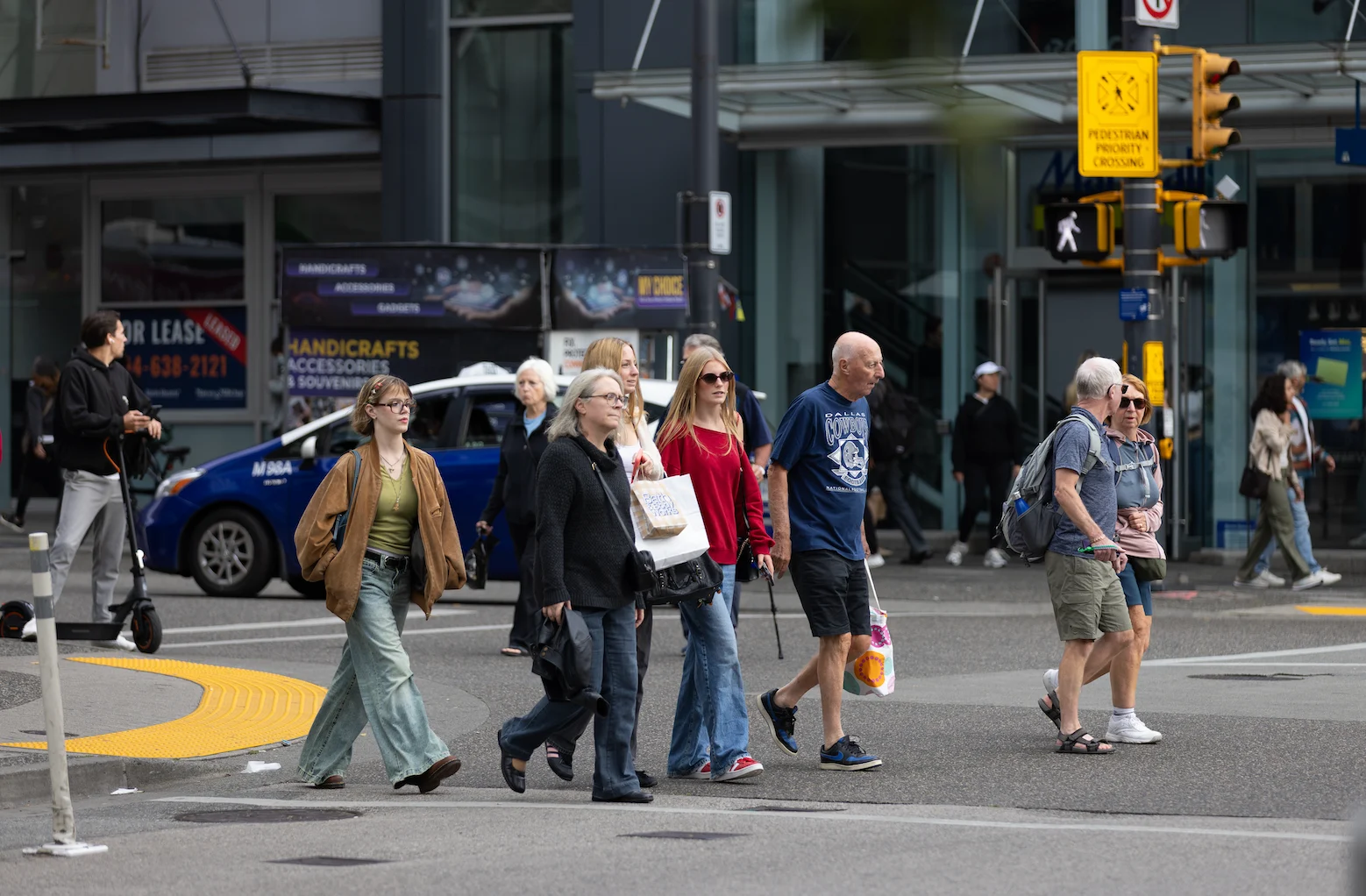
Taxes and the end of“zero”
In November 2025,the council passed a 2026 budget with a zero percent property tax increase and a$2.39-billion operating budget.Earlier that same year,City staff had recommended an increase of 6–7%,and staff were instructed to find about$120 million in savings.Reported by CTV,Sim’s budget gave the Vancouver Police Department a 10%($50 million)increase while cutting planning,urban design,and sustainability funds by 14%and arts and culture by 12%.ABC had also raised taxes by 24%since 2022 before the freeze,and campaigned for another zero in 2027(The Globe and Mail,2026).
Fry has explicitly stated that he would not continue a second zero in his term.He wanted a“predictable,reasonable,modest”increase that residents can expect and told CityNews that he has asked staff for a full budget so council can make informed decisions(Pique Newsmagazine,2026).The Green Party proposed removing the Empty Homes Tax loopholes and employing a compliance audit before raising that tax’s rates incrementally.This will be followed by a Vancouver Affordability Index to weight household costs against local incomes when making tax decisions.
For this to be transferred to practice,the 2027 budget has to be finalized in December.It will require six votes on an 11-member council,so the Green Party needs at least one councillor from a different party.Although it should not be too difficult with COPE and OneCity,it does provide COPE leverage over spending.
Departments and firms in planning and arts that were cut to reach zero can expect to see money restored.Vancouver homeowners and businesses will pay more,and renters may indirectly be affected.The biggest uncertainty is in the number itself as Fry has not directly said what“modest”means,or what savings he would find.
Personally,the noticeable increase is far but certain.The more important question is whether Fry can prove to Vancouver residents what they get for it so that later years come in lower.
Housing
Vancouver currently operates under a five-year housing target set by the Province in 2023 under the Housing Supply Act.City documents show a total target of 10,597 net new homes by the end of year two;Castanet reported the City reached approximately 85%of that.The year-three provincial progress report is set to come out on November 14,2026,less than two weeks after the new council takes office.City data from June 2026 shows permit times falling(single-detached homes from 250 days in 2022 to 160 in 2025,and multi-family projects from 18.1 months in 2023 to 9.8 in 2025).Council also paused net new supportive housing in 2025 and voted to keep that pause in April 2026.In July 2026,it cancelled the Villages Plan,a vote Fry supported.
The Green Party promised:
●Vancouver Public Housing Bonds,created under the Vancouver Charter,in which institutional investors accept a predictable return to finance affordable City-owned housing;
●Affordable housing“czar”that is focused on non-market and supportive housing,and City land for co-ops and community land trusts;
●Pre-approved designs and prefab homes(a“Vancouver Special 2.0”),with Fry telling CTV he is bullish on wood-frame mid-rise buildings that use B.C.lumber;
●A moratorium on micro-suites as small as 250 sq.ft.;and
●Reversing the supportive housing ban,which Fry stated as one of his top priorities.
The supportive housing reversal is a council decision and can be implemented quickly.The rest depends on other factors.The platform calls the 2023 provincial targets impossible to meet because population growth has slowed,and wants them changed.Housing commentator Michael Geller told The Globe and Mail that Saturday’s provincial election will decide whether Fry has a partner or a rival in Victoria.Fry told CityNews he plans to work with whoever wins rather than treat the Province as a“punching bag.”
Renters,co-op members,and people experiencing homelessness are the intended winners.Fry said in April that close to 2,000 people are homeless in Vancouver.The obstacles are financing and opposition.When council kept the supportive housing pause,opponents argued that Vancouver already has more supportive housing than other Lower Mainland cities.The platform does not say how big the bond program would be,what return investors would get,or how many homes it would produce.
In my opinion,I would expect a quick turnaround of the supportive housing ban within months.Housing bonds are more likely to produce a staff report in 2027 than actual homes this term.Lastly,because Vancouver is noted to be behind its provincial target,I expect Fry to use the November report to push for different targets rather than chase the current“unattainable”numbers.
The Following Four Years
With 10 of 11 seats held by left-leaning,allied parties,Fry has the votes to create a change in direction of where Vancouver seems to be headed.The constraint to this is money:residents will likely be
expected to pay more taxes next year,while his campaign’s most ambitious housing ideas still depend on Victoria,Ottawa,and future investors.
阅读
