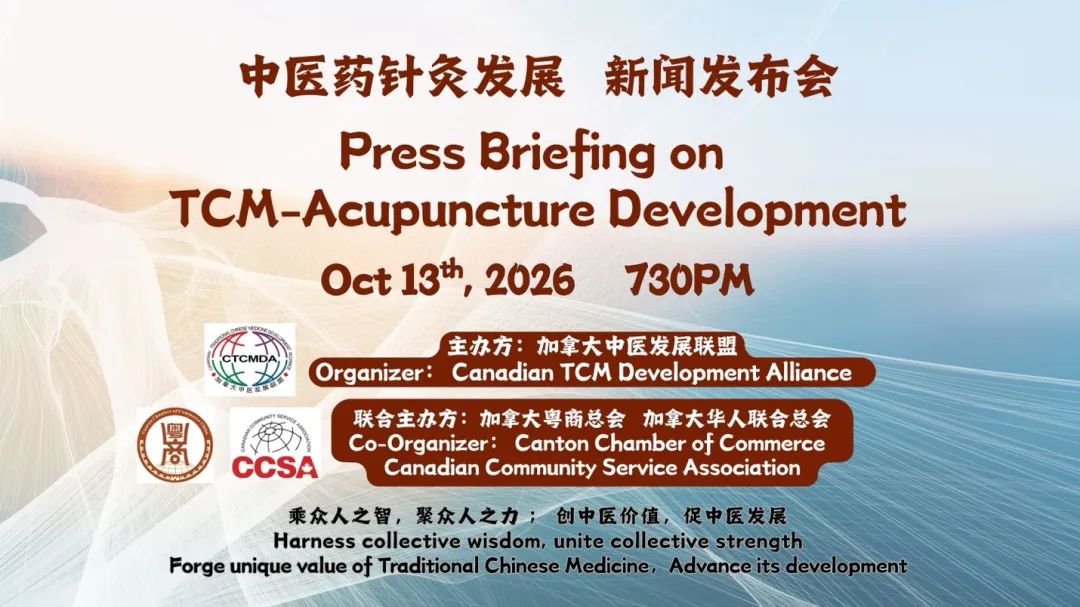
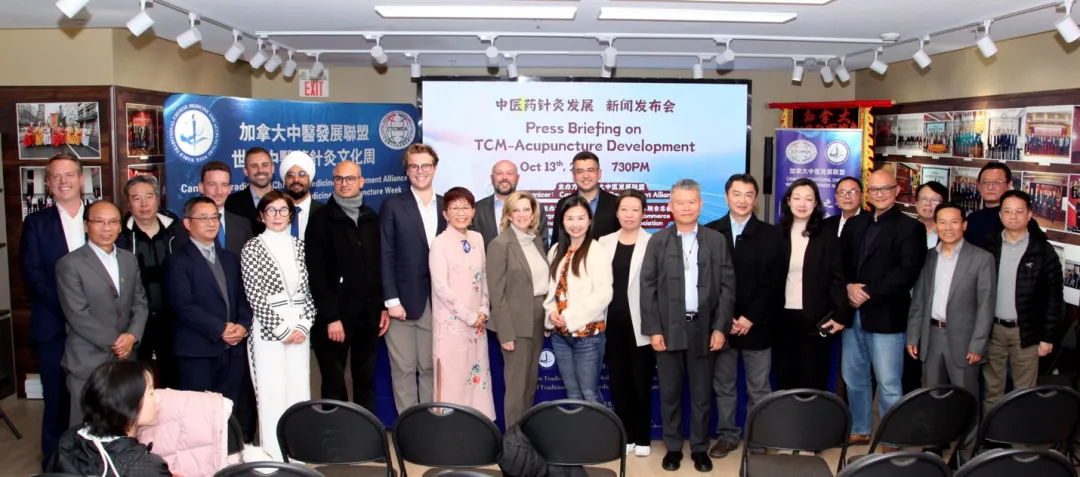
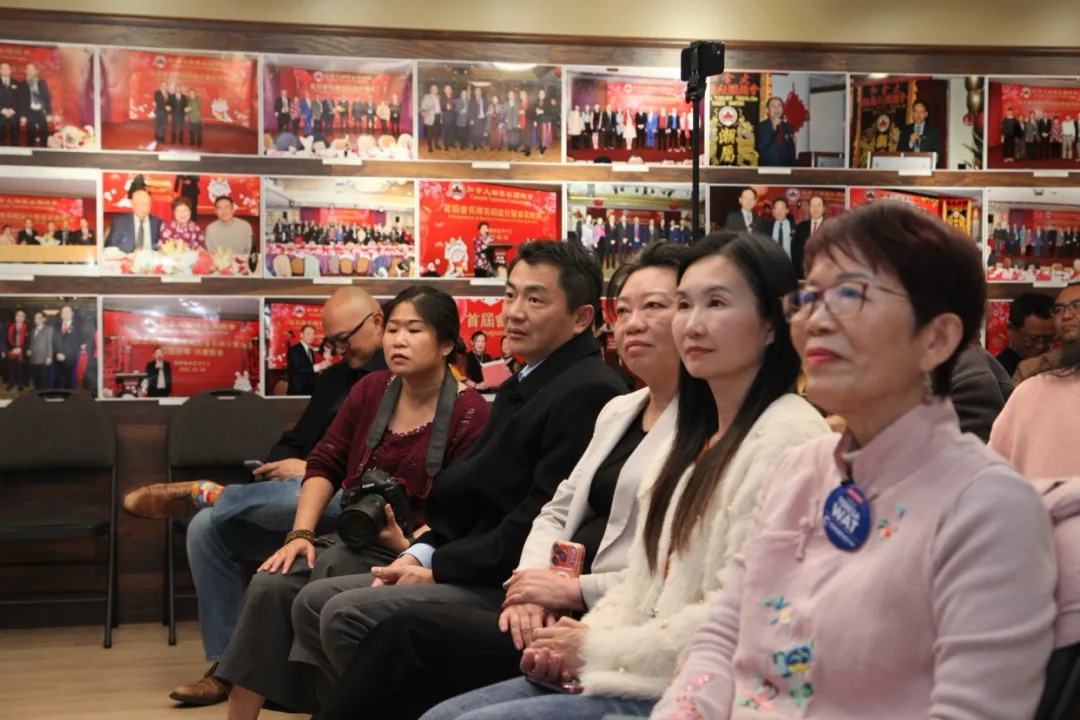
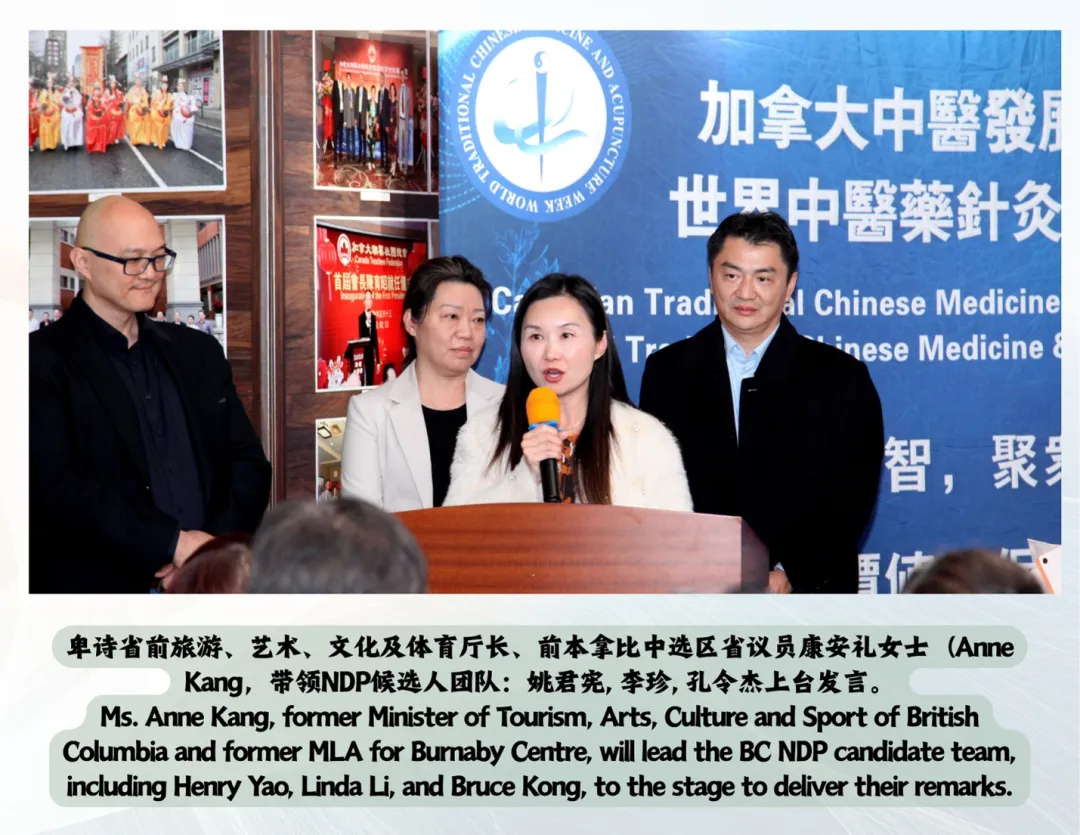
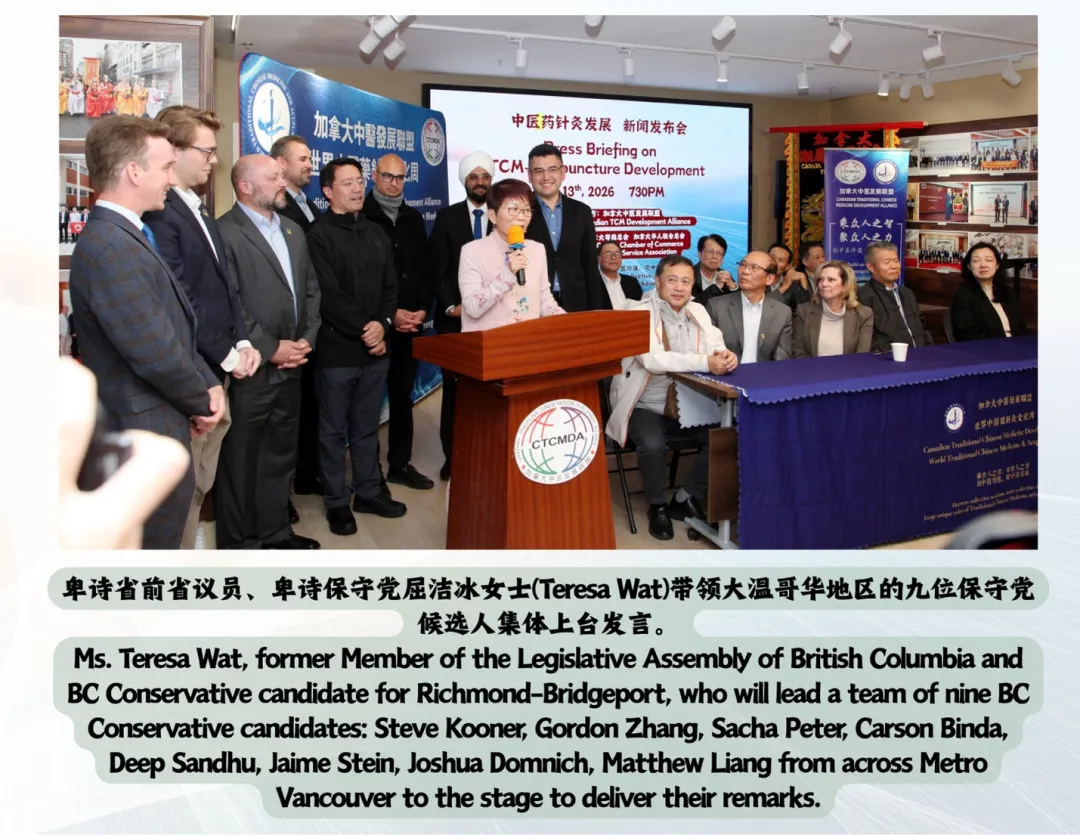
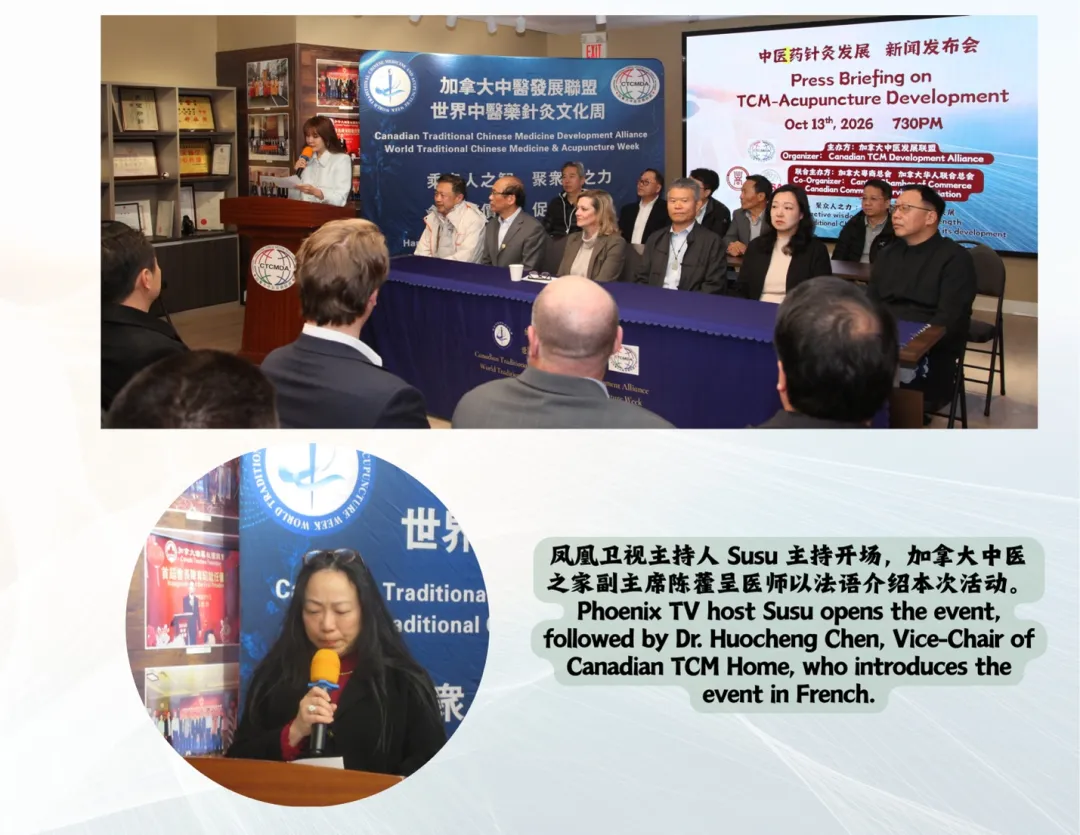
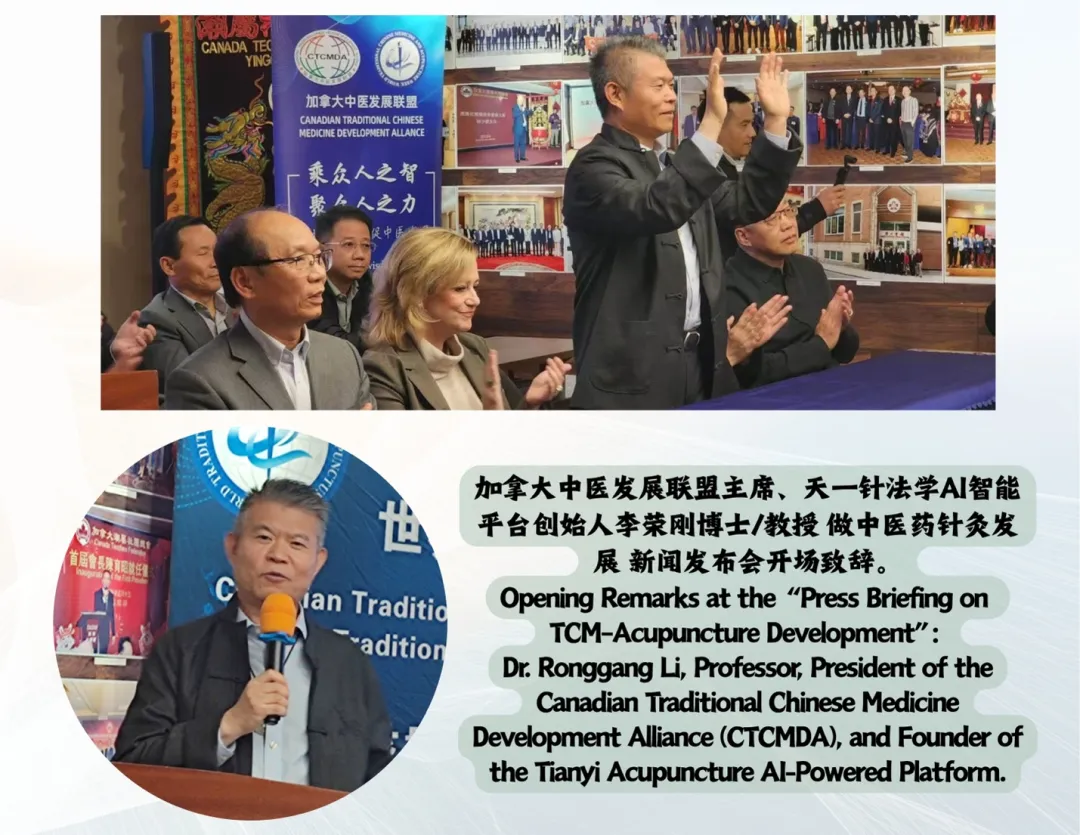
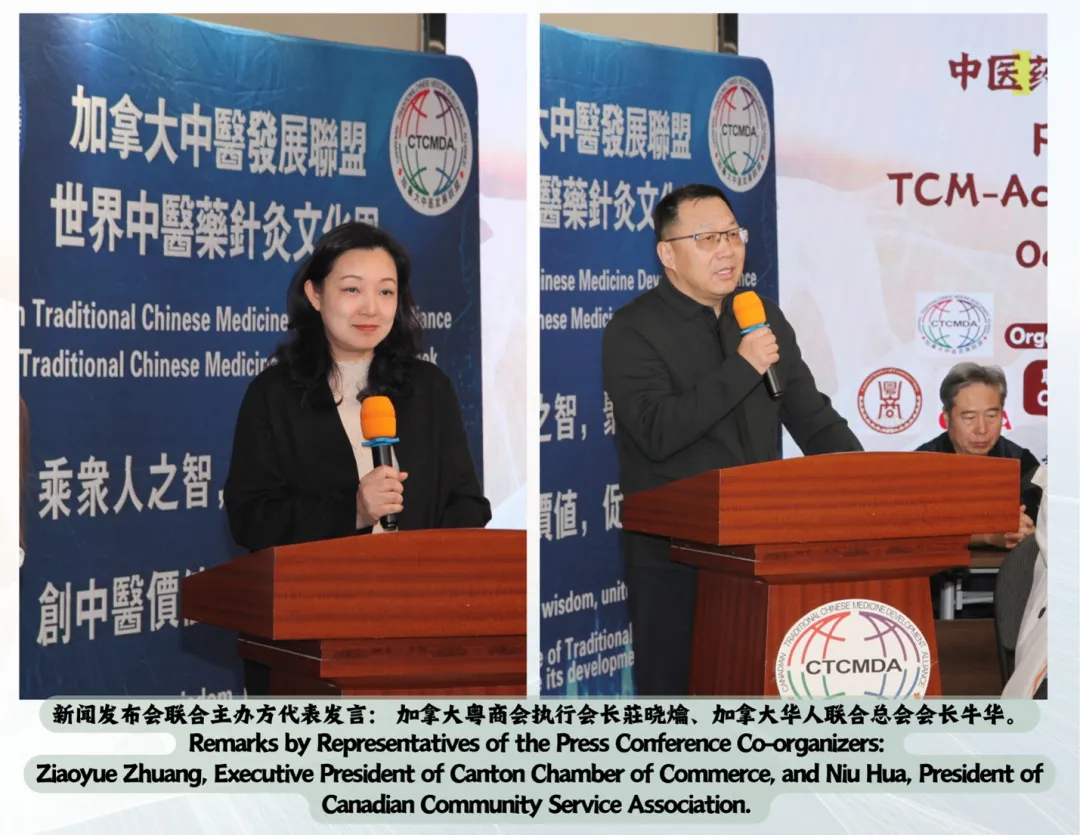
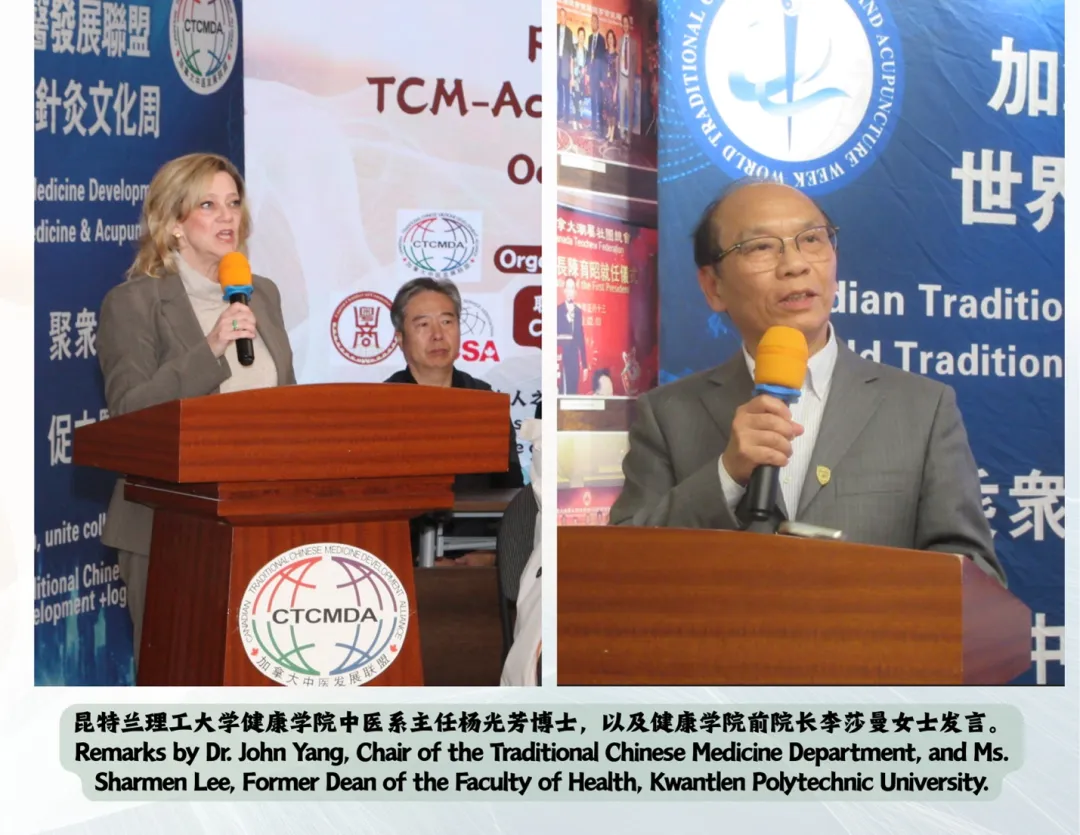
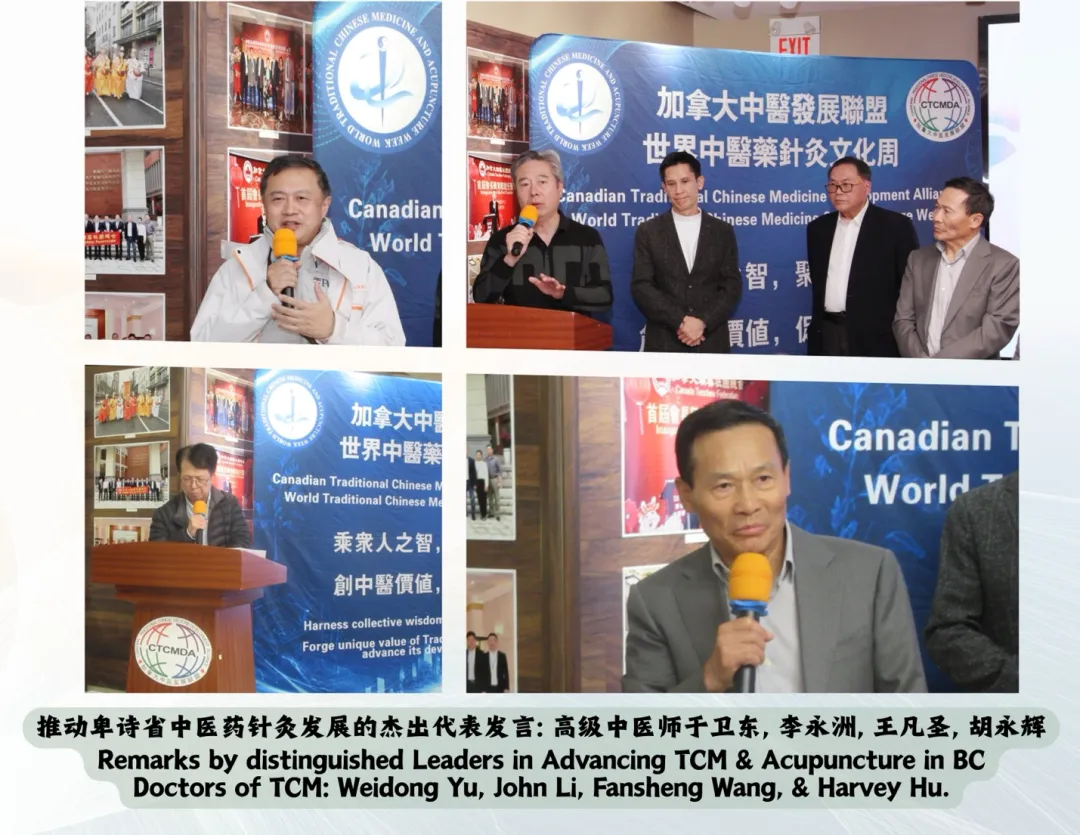
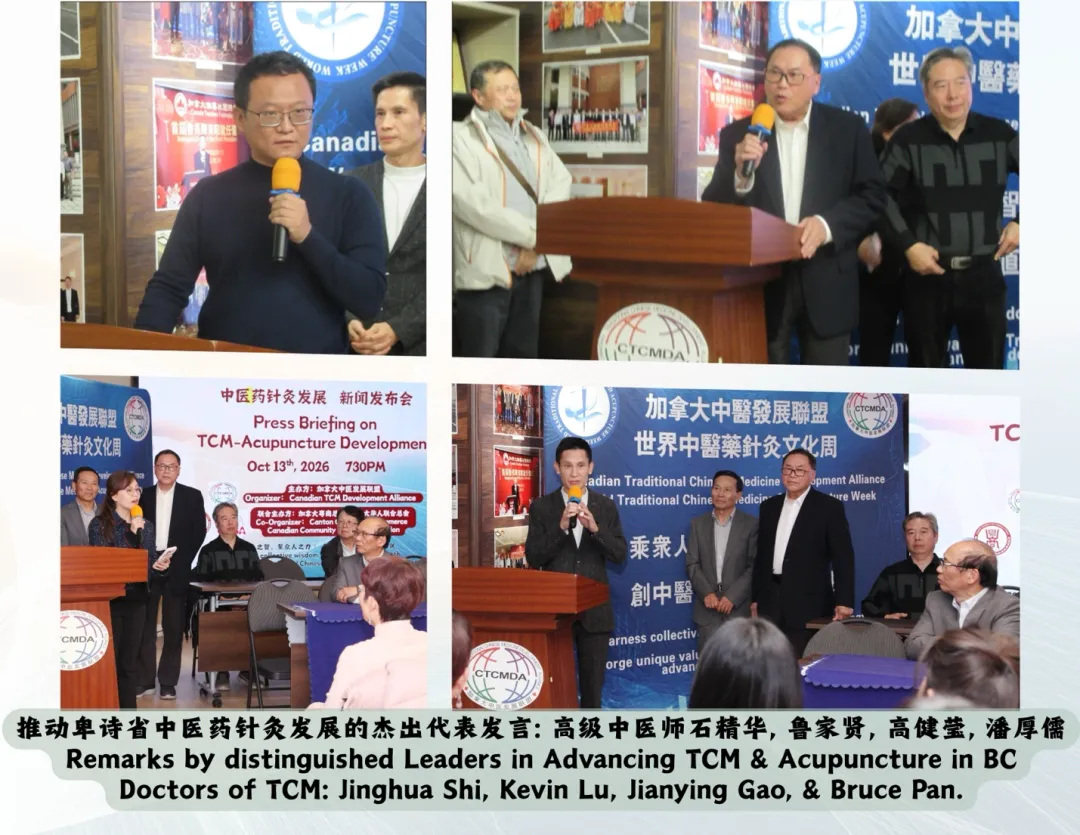
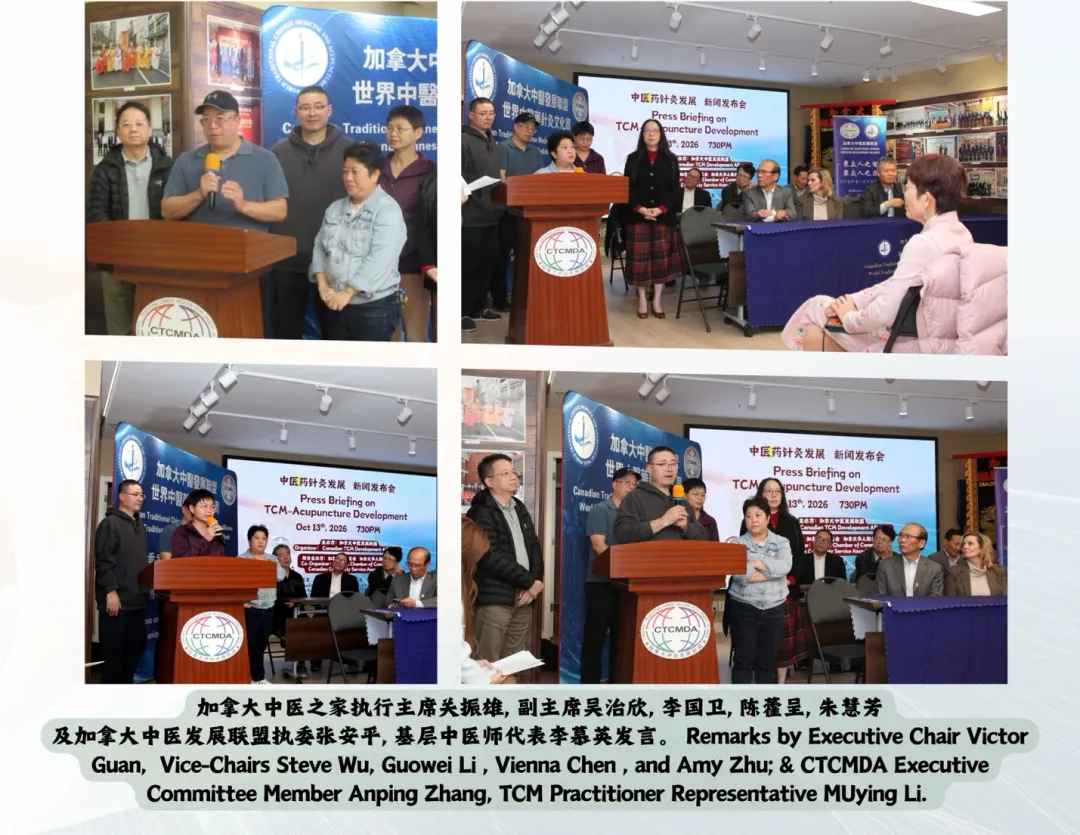
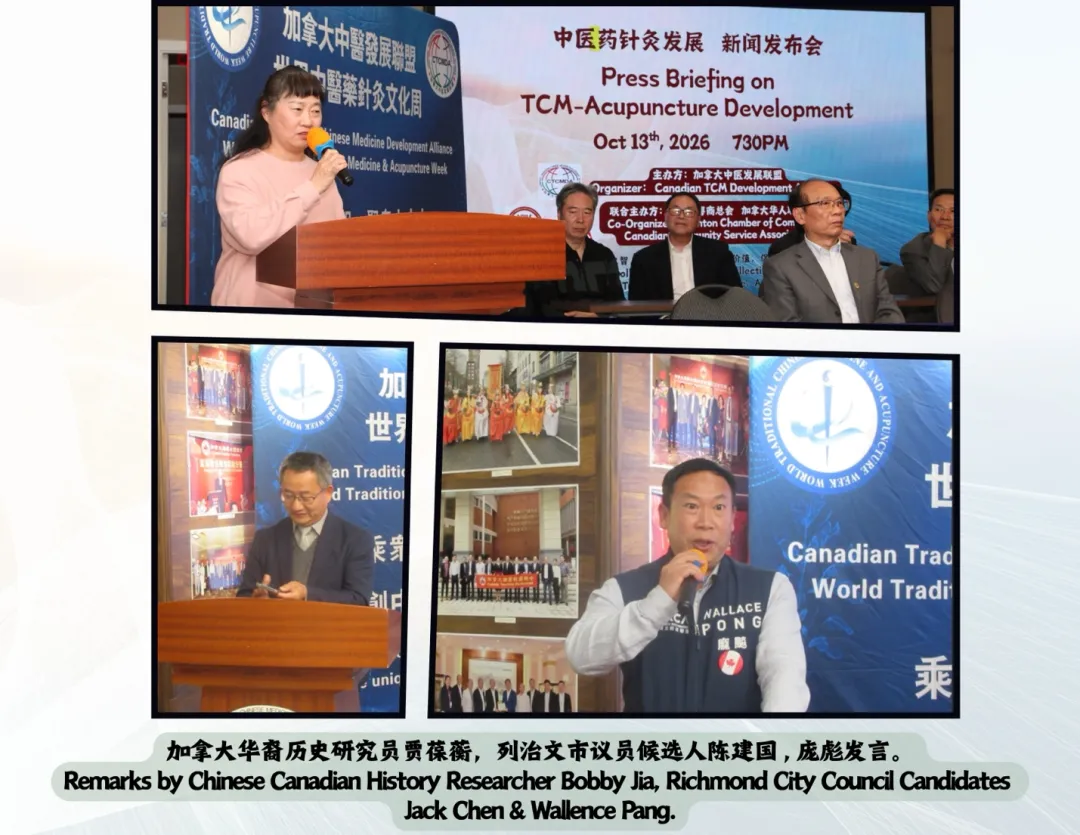
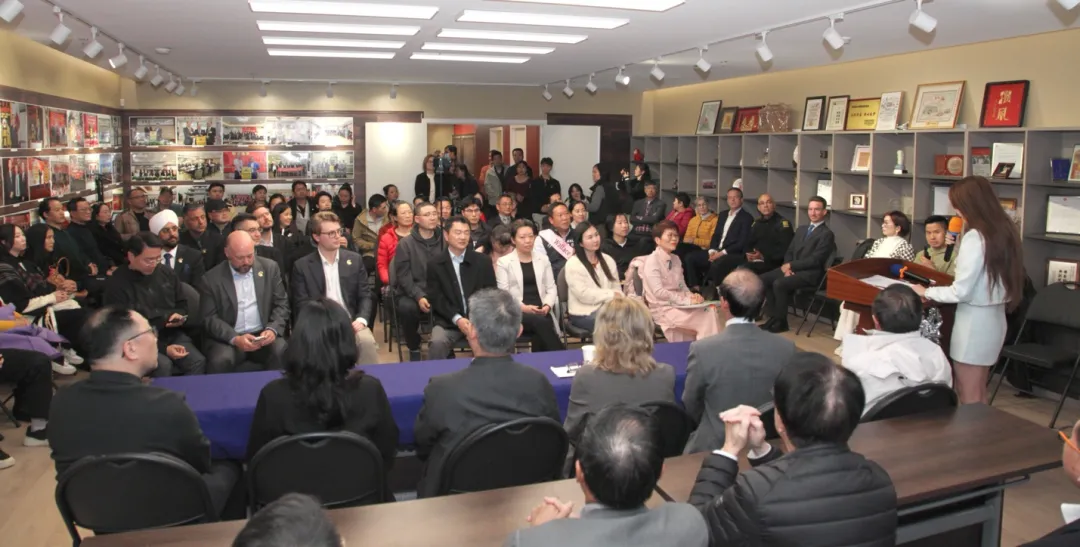
The key policy demands presented at this press conference stem from an open letter issued by the CTCMDA on October 2, 2026.
The letter highlights that two years have passed since the former College of Traditional Chinese Medicine Practitioners and Acupuncturists of British Columbia (CTCMA) was amalgamated into the College of Complementary Health Professionals of British Columbia (CCHPBC) in 2024. However, the actual outcomes of the regulatory reforms have fallen short of the government’s original commitments.
Feedback from the profession indicates that Traditional Chinese Medicine (TCM) and acupuncture are being progressively marginalized within the regulatory framework, while the distinctive professional characteristics and disciplinary foundations of TCM continue to be weakened through regulatory revisions.
Of particular concern is a significant public safety risk arising from the removal of Chinese herbal prescribing, compounding, and dispensing from the list of legally designated restricted activities. As a result, individuals without recognized professional qualifications may legally provide Chinese herbal prescribing and dispensing services, undermining the regulatory safeguards previously established to protect the public.
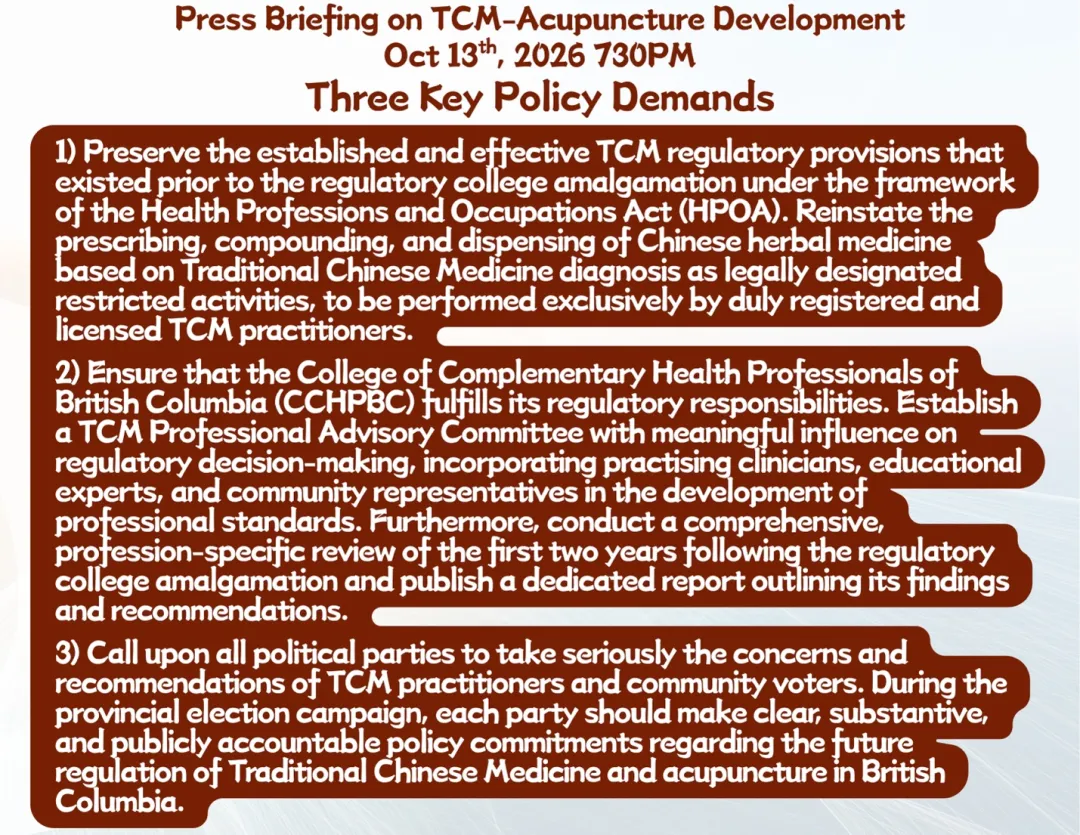
In its open letter, CTCMDA outlined three key policy demands:
First, preserve the established and effective TCM regulatory provisions that existed prior to the amalgamation under the framework of the Health Professions and Occupations Act (HPOA). Reinstate the prescribing, compounding, and dispensing of Chinese herbal medicine based on TCM diagnosis as legally designated restricted activities, reserved exclusively for duly registered and licensed TCM practitioners.
Second, ensure that the CCHPBC fully fulfills its regulatory responsibilities. Establish a TCM Professional Advisory Committee with meaningful influence on regulatory decision-making, bringing together practising clinicians, educational experts, and community representatives to participate in the development of professional standards. In addition, conduct a comprehensive, profession-specific review of the first two years following the regulatory college amalgamation and publish a dedicated report detailing its findings and recommendations.
Third, call upon all political parties to listen seriously to the concerns and recommendations of TCM practitioners and community voters. During the provincial election campaign, political parties are urged to make clear and substantive policy commitments regarding the regulation and future development of TCM and acupuncture in British Columbia.